An Evolving Landmark: The Building of the Williamstown Mechanics' Institute
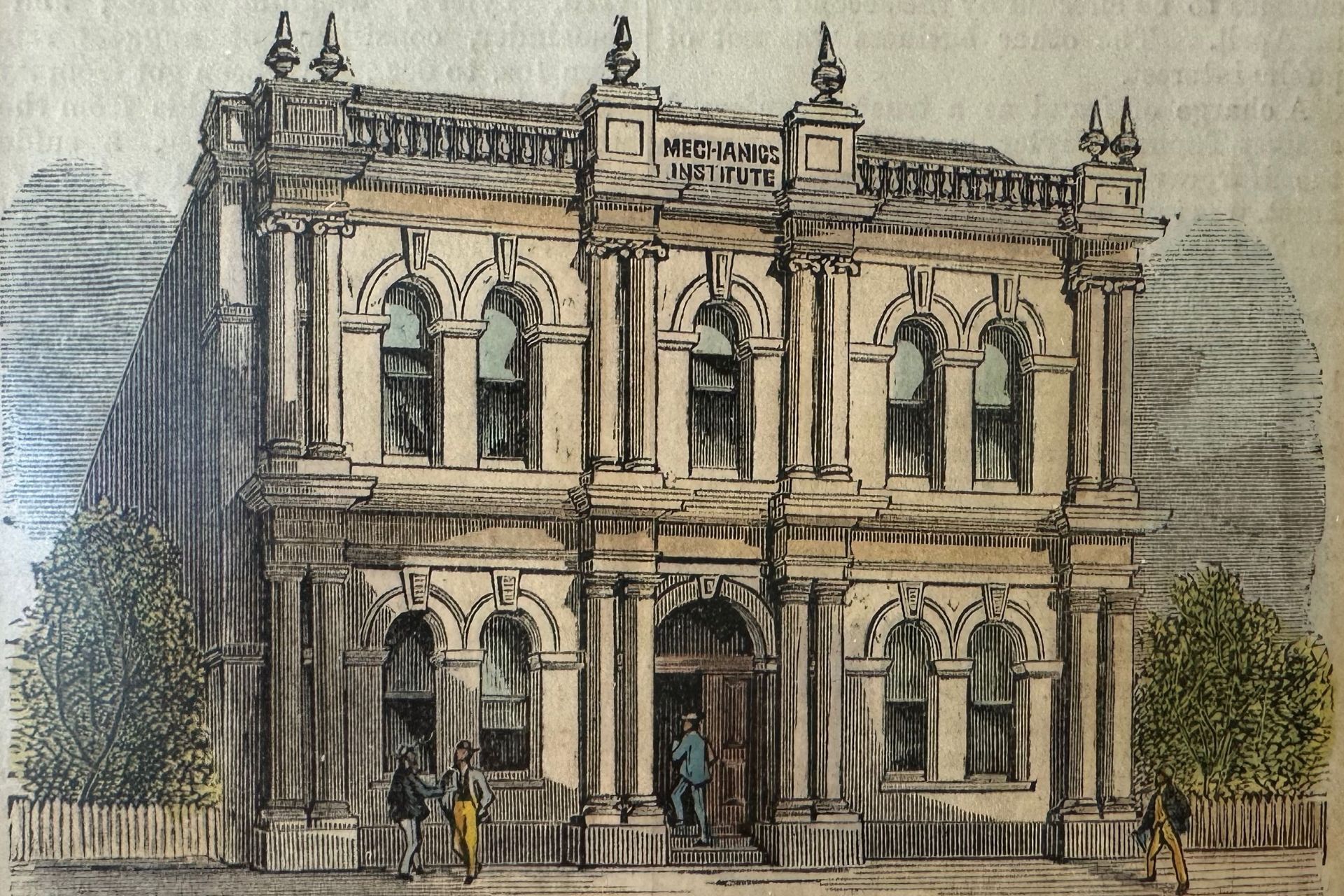
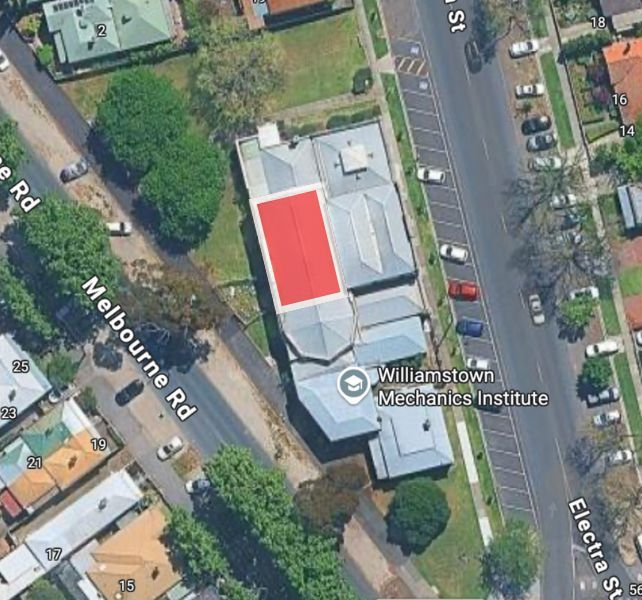
1860 - Stage 1: Early beginnings
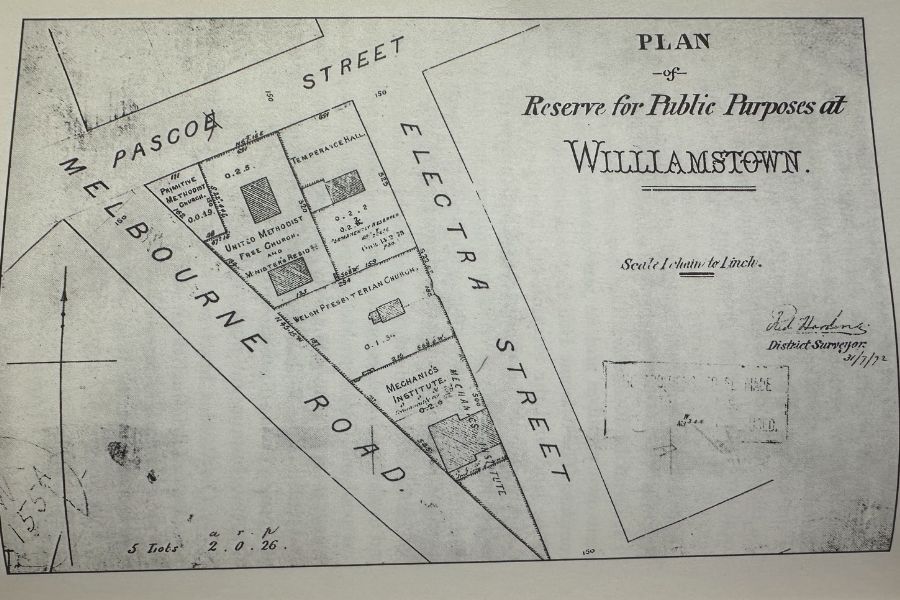
The forward thinking committee of the Mechanics Institute had sought and been granted Crown land with which to build a Mechanics Institute on
The Crown land in the Electra Street precinct was granted by the Hon. Surveyor General in 1856 for the exclusive use of a Mechanics Institute and through community funding and donations, the Mechanics Institute rose, embodying the principle of a place ‘built by the community – for the community.
In October 1859, the idea of constructing a new building for the Mechanics Institute was contemplated as the iron building that was being used in Little Nelson Street was like a melting pot in summer and and ice chest in winter. The proposed building was estimated to cost £1,200 and was to include a library, class, committee, and reading rooms, along with a large public hall. By December 17, 1859, a call for tenders was advertised by then secretary, Alfred Sutton.
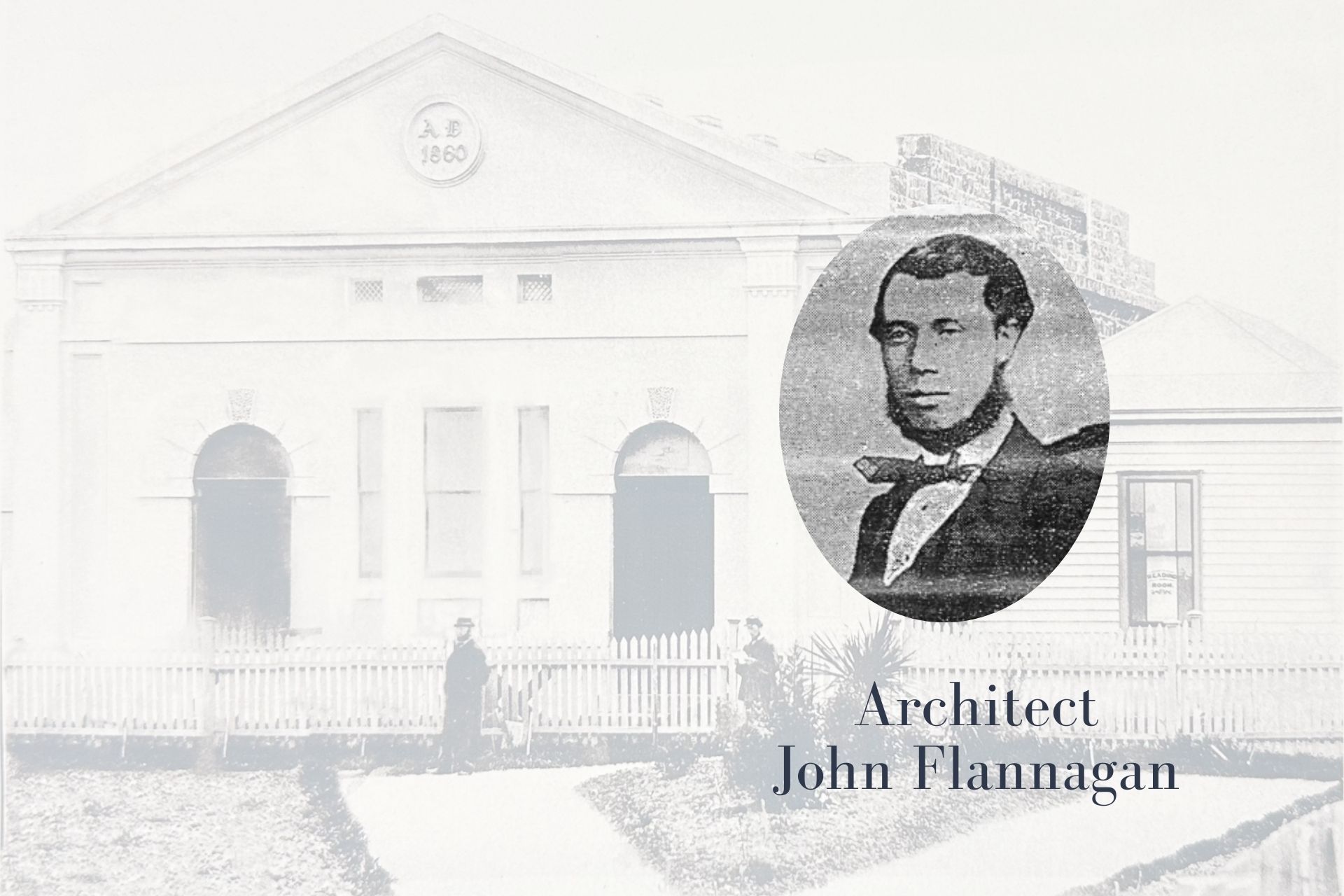
The Mechanics Institute Committee met on January 11, 1860, and accepted builder John Swindley's tender to erect the building according to a plan prepared by architect John Flannagan. The tender amount was £1,020 10s 2d.
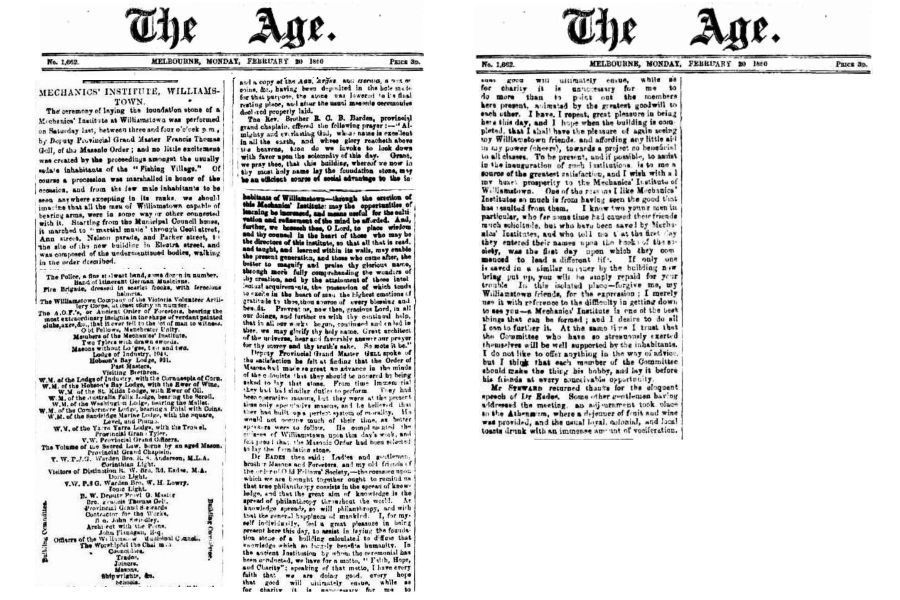
The foundation stone of the hall building was laid with much ceremony the 18th February, 1860, by the Provincial Grand Master of the Masonic Lodge, Mr. Thomas Gell, with the assistance of Dr. Eades, the Mayor of Melbourne. The ceremony perfomed between three and four o'clock created much excitement with the inhabitants of the 'fishing village'. As reported in 'The Age' newspaper on the 20th of February, 1860, the procession, made it's way from the Municipal offices in Thompson Street, by the way of Cecil and Ann Streets, into Nelson Place, travelling up Parker Street to the site of the new buildings. Led by the a dozen Police, they marched to the music of a "band of itinerant German Musicians", the Fire Brigade in their scarlet frocks and shining helmets followed, ahead of a group numbering thirty from the Williamstown Company of the Victorian Volunteer Artillery Corps. Next marched men from the local lodges, led by the Ancient Order of Forresters, followed by the Manchester Unity Independent Order of Oddfellows (MUIOOF), members of the Mechanics Institute, two Tylers, with swords drawn, the Masons, and the Hobsons Bay Lodge. Invited representatives from other lodges followed with offerings from their respective groups: Corn (Lodge of Industry), Ewar of Wine (Hobsons Bay Lodge), Ewar of Oil (St Kilda Lodge), a Scroll (Australian Felix Lodge), Mallet (Washington Lodge), Phial of Coins (Combermere Lodge), Square, Level and Plumb (Sandridge Marine Lodge), Trowel (Yarra Yarra Lodge). The official party followed, including Mr Thomas Gell, the builder John Swindley, architect John Flannagan, the Chairman and Councillors of the Williamstown Municipal Council and many other parties from the joiners, shipwrights and schools. The Rev. Brother Barden, provincial grand chaplain offered prayers "lay the foundations stone be an efficient source of social advantage to the inhabitants of Williamstown - through the erection of this Mechanics Institute: may the opportunities of learning be increased and means useful for the cultivation and refinment of the mind be afforded".
By April 14, 1860, the timber buildings were complete, and the hall was nearing completion, with an estimated occupation date of 1st of May. The new building, including the large public hall and timber buildings housing the library, classes, committee rooms, and reading rooms, was officially opened on 10th July 1860.
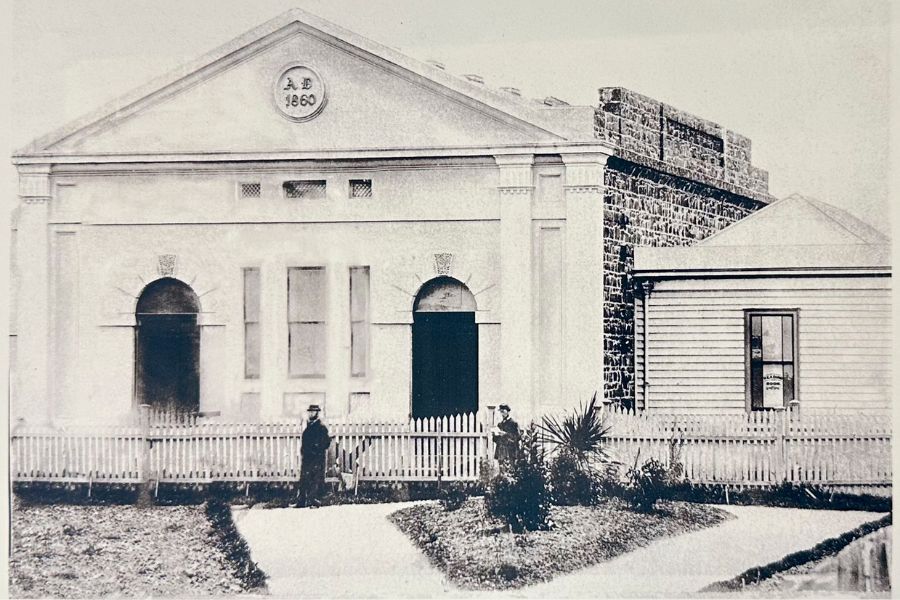
Over the years, the hall has seen minor enhancements and 'redecorating', including the replacement of the original flooring, the introduction of gas lighting, and eventually electricity, which improved the amenities for both members and the wider community.
The Mechanics Institute Hall served as Williamstown’s Town Hall for large meetings and community events until 1927. It was a central hub for various activities and entertainment, hosting numerous performances, balls, fundraisers, silent films, and various club and group gatherings.
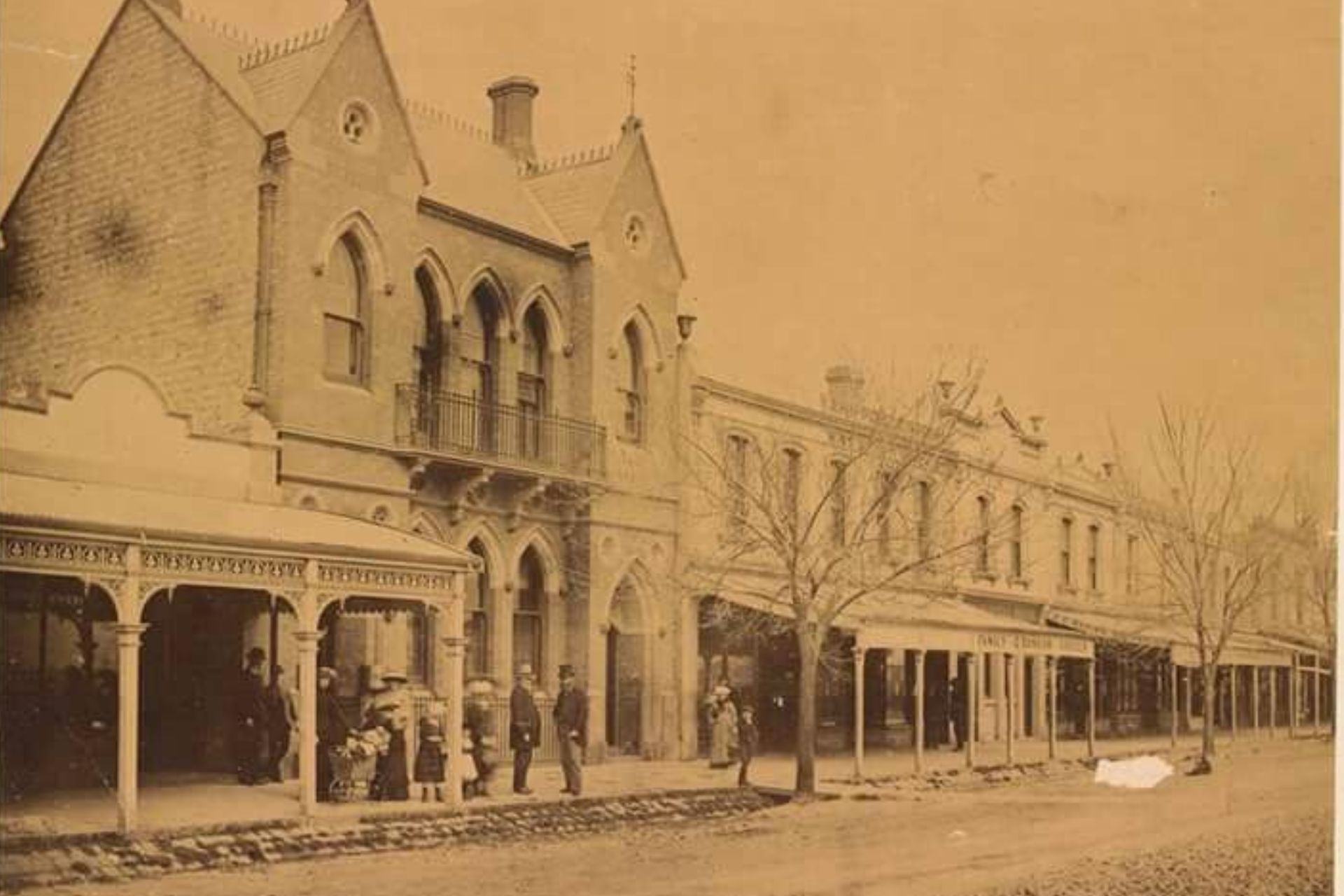
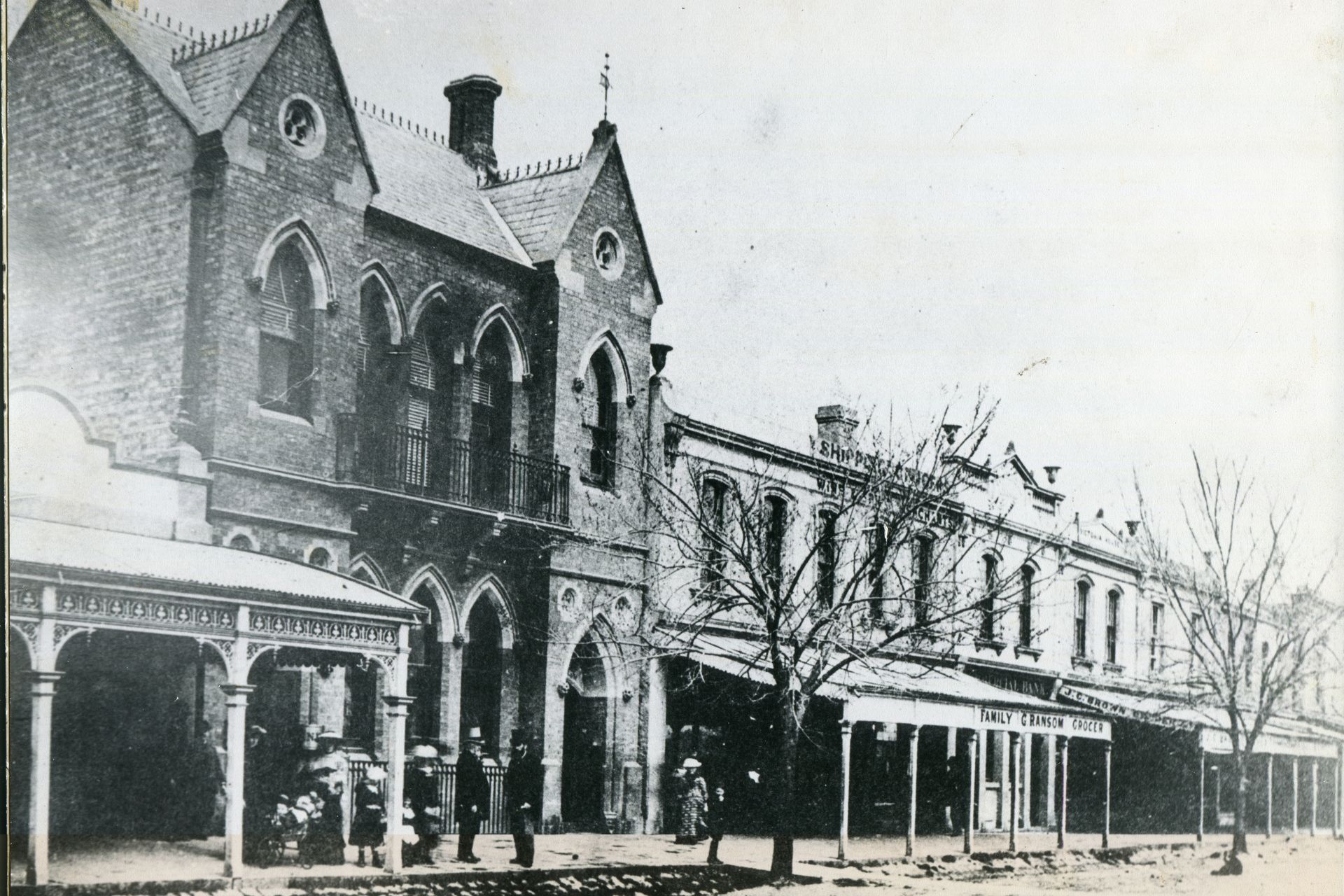
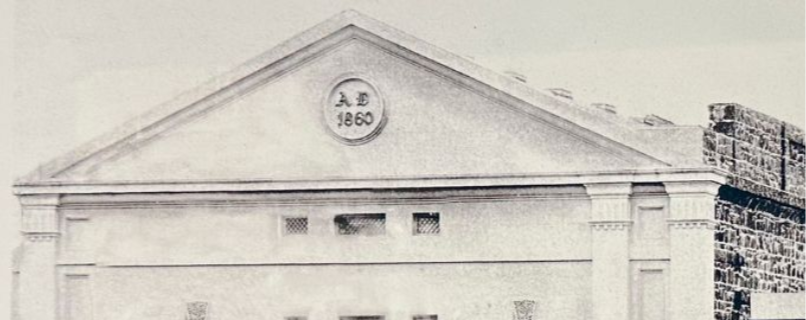
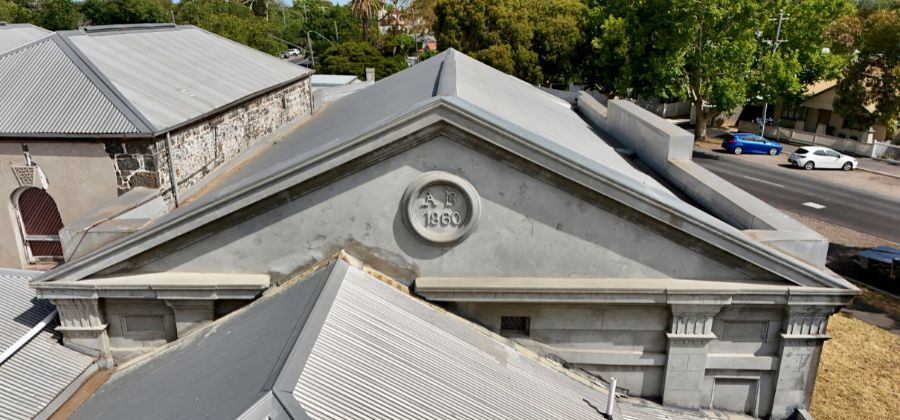
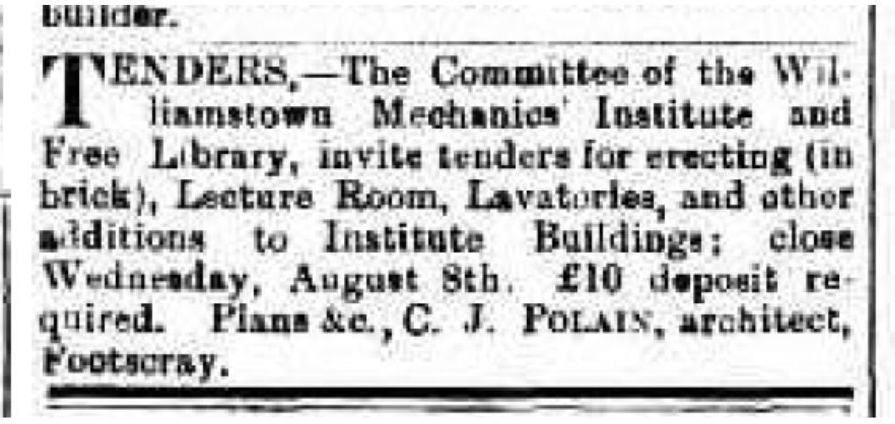
The original hall still stands, though its facade is concealed by a 'slightly more modern' brick extension, added in the 1890s to accommodate catering facilities, two cloakrooms, and a vestibule for the hall.
1869 - Stage 2: Stone library, reading rooms and classrooms
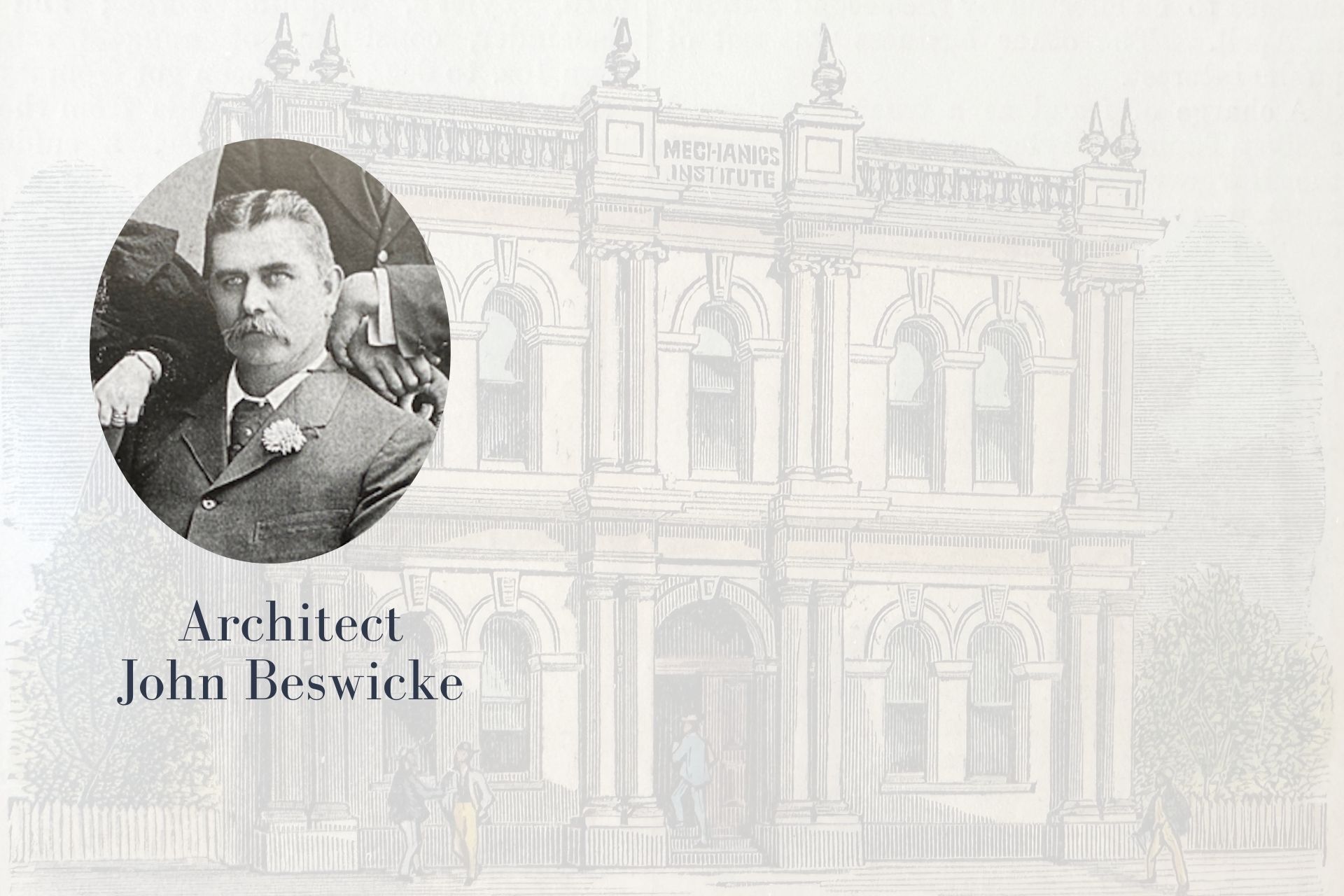
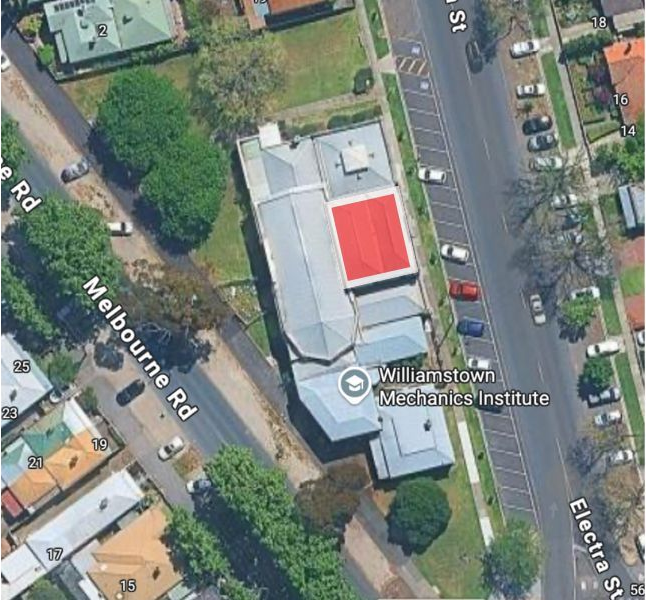
In March 1867, the committee recognised the necessity of constructing more robust stone buildings to replace the existing timber classrooms, library, and reading rooms, with an estimated expense of £600. By October 1868, bids had been accepted for the construction of the building, designed by the distinguished architect Mr. John Beswicke, which, upon completion, would ultimately amount to £1,200.
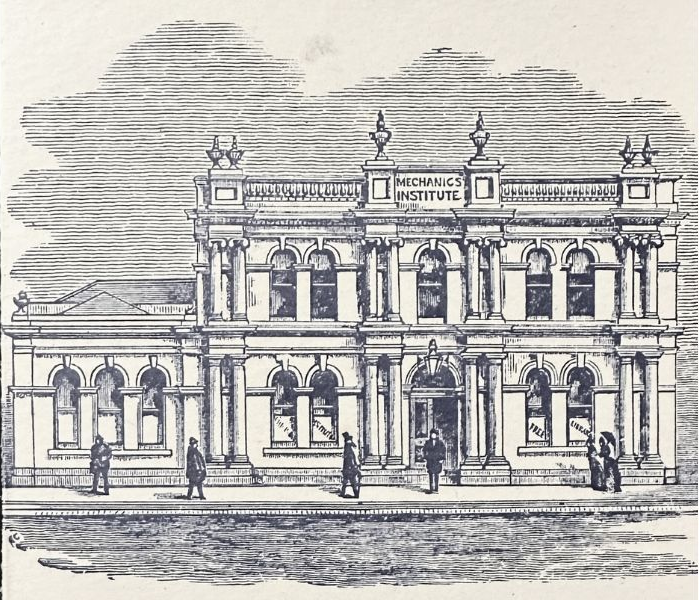
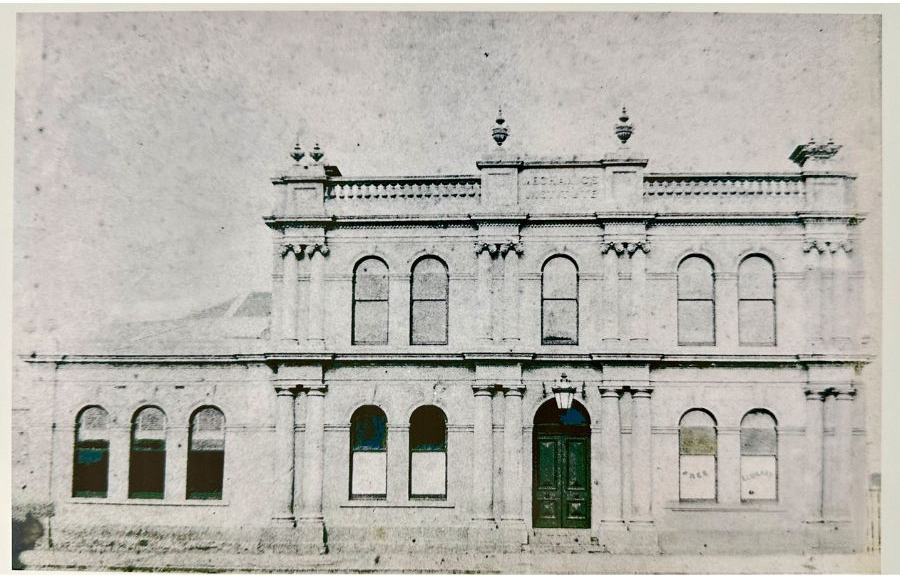
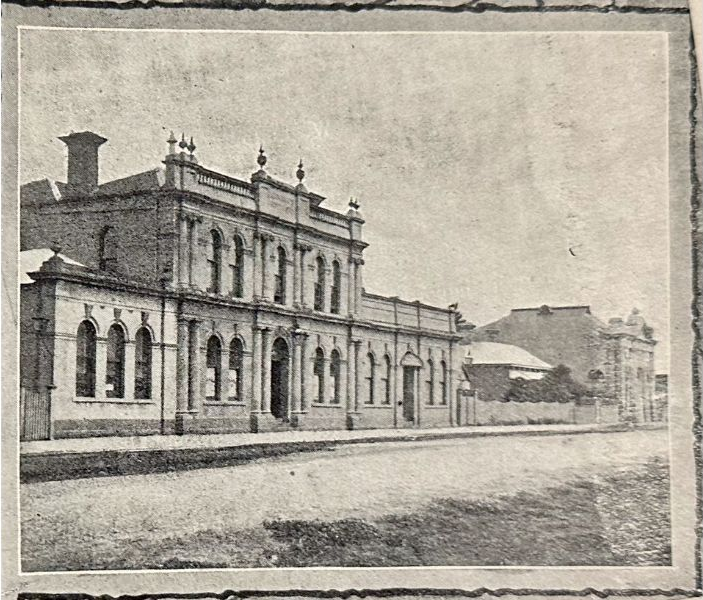
Construction began in late 1868, leading to the removal and sale of the original timber buildings that contained the library, reading rooms, and classrooms, with the proceeds allocated to the new project. The newly built two-story structure facing Electra Street, crafted by architect Mr. John Beswicke and constructed by Messrs. Muir & Weston, included a library, reading and committee rooms, as well as two classrooms and a community meeting room situated on the second floor. The additions were opened with a Grand Soiree, Chaired by Mr Robert Ellery, with addresses by Mr Thomas Mason, Mr Peter Powers and Mr Hugh Reid on 06 April 1869.
As the Mechanics Institute relied entirely on donations and subscriptions for its funding, the committee sought to boost their income by leasing the hall and committee rooms to the Education Department for £2 per week, facilitating the establishment of a local school. In 1872, the Victorian Government Education Act had mandated that schooling in Victoria would be free, compulsory, and secular for all children aged 6 to 15 years. Before 1873, education was provided by a limited number of independently operated schools and churches. On January 27, 1873, Williamstown Primary School No. 1183 was inaugurated at the Mechanics Institute, welcoming 310 enrolled pupils. The Mechanics Institute functioned as a school from 1873 to 1878, later relocating to a new site nearby, where enrollment exceeded 700 pupils.
With rental income and loan repayments settled, construction progressed on the stuccoed Italianate façade, beautifully enhanced with columns and urns, and the interior plastering was completed by April 1876, adhering to the original architectural plans. Their vision achieved, an intricately designed façade featuring a vibrant green entrance door greeted visitors, and inviting fireplaces warmed the rooms.
1880 - Stage 3: Southern wing and hall extensions
The foundations of the hall at the southern end started to subside and crack in 1877. Seeking expertise, the committee engaged the firm Crouch & Wilson and once again architect John Beswicke. Survey reports from both parties confirmed that there had been significant settlement in some of the walls to the east and west and that the "cracks are a very great eyesore," suggesting some faulty subsoil or foundations. The report provided in June 1878 advised that urgent repairs, other than cosmetic ones, were not needed at this time.
At the half-yearly meeting of the Mechanics Committee, it was reported that requests for government assistance had been submitted, as remedial work to the building was imminent and funds were required. At a special meeting of members, it was unanimously decided to rename the institution the "Williamstown Mechanics Institute and Free Library." This step was deemed necessary to access government assistance.
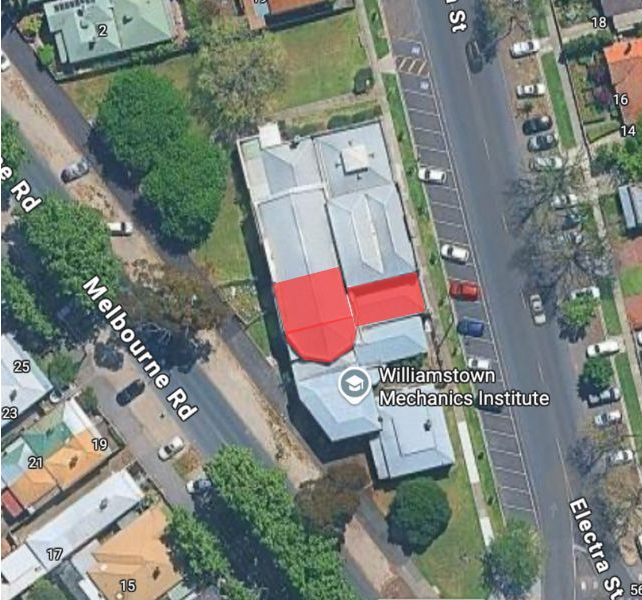
By 1879, the circumstances had become critical, leading Beswicke to recommend the removal of 10 feet from the hall and the implementation of repairs to the foundation. From plans designed by Mr. Michael Egan, the builder Mr. V. Riadden was contracted to rebuild the southern end of the hall, with an extension of an additional 6 feet, along with the incorporation of a hexagonal stage. Mr. Egans plans also incorporated a single-story building on the southern side of the Electra Street structure, which served to both reinforce the walls of the hall and create an ante chamber for the stage, as well as quarters for the newly appointed caretakers, Mr. and Mrs. Morrell, who had taken on the roles of Secretary and Hall Keepers for the Institute. The remedial works and additions were estimated to cost between £600 and £700, of which a loan was sought by the committee to undertake the works.
The Williamstown Advertiser reported on the 24th of July 1880 that the "hall enlargements were completed, lengthened to comfortably receive 800 persons. Additions included a stage, two dressing rooms, and a large apartment at the side of the library. The roof and walls of the entire building are light and tasteful, with the whole completed for the sum of £750. Painting and decorating were completed by Mr. Brown.
(Meeting records from 23 October 1880 indicate £785 was paid to Mr. V. Riadden for additions to the buildings and an art exhibition held to celebrate the opening. The Williamstown Bowling Club opened a bowling green shortly after in the grounds on the northern side of the Institute which operated on the site until the Mechanics Insitute expansion plans in 1889 led them to seek an alternative location for the club).
1883/4 - Stage 4: Caretakers cottage
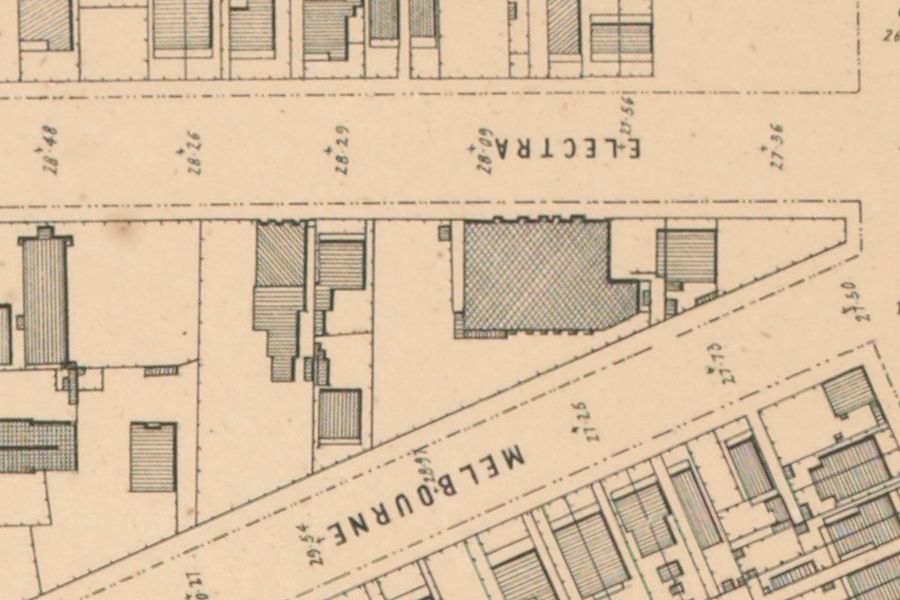
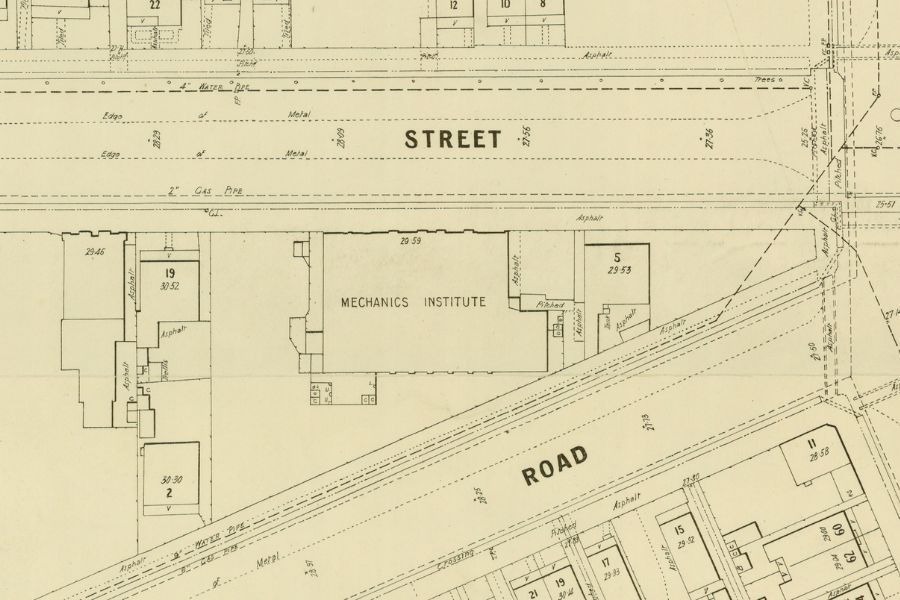
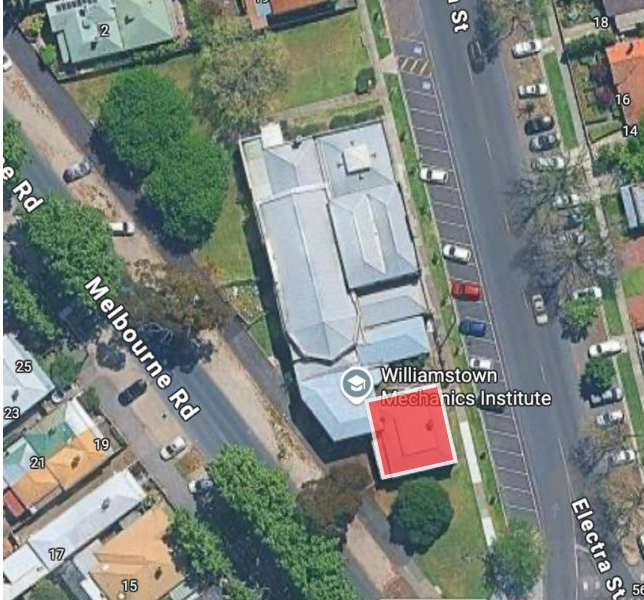
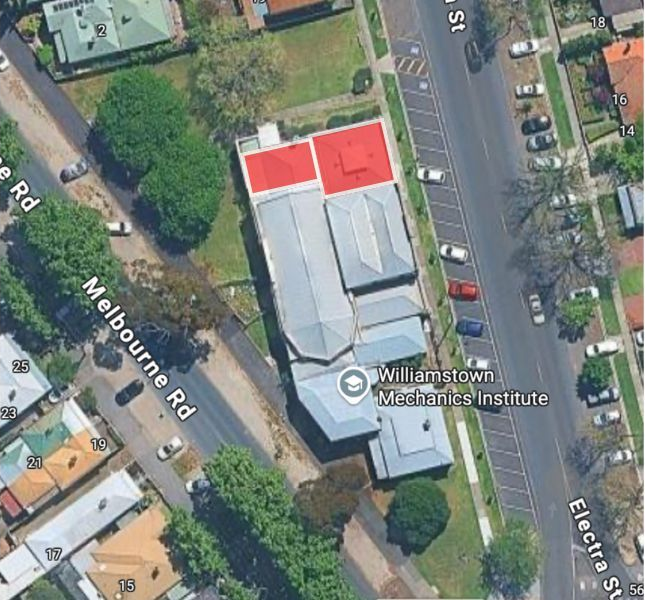
The caretaker's timber cottage appeared on the site c. 1883-84, although limited records referencing its addition to the site have been located. The Mechanics Institute Victoria Magazine - Autumn 2016 states, "it was constructed in 1884 for a cost of some 430 pounds"; however, the original source of this record cannot be located. It is believed the cottage is a rare example of an onsite caretaker's cottage still attached to a Mechanics Institute in Victoria. References to the architect or builder of the cottage remain elusive. The design of the cottage is unique, with two decorative facades: one facing Electra Street and the other facing the triangular corner of Parker and Electra Streets. The entrance with verandah faced toward the Institute, instead of the street, as was typical with Victorian-era houses. A picket fence enclosed the front garden, while higher fencing enclosed the service yard facing Melbourne Road. Drawings from the Melbourne Metropolitan Board of Works plans from both 1894 and 1907 indicate the small changes to the cottage over the years.
The committee of the Mechanics Institute employed a married couple to occupy the role of secretary, librarian, and caretakers for the Institute at a salary of £75 per annum, plus a commission on membership subscriptions. The first caretakers were Mr. James Taylor Morrell (1840-1903) and Mrs. Elizabeth Morrell (1842-1933), who undertook the role from 1879 to c. 1909 and lived in the cottage for some 26 years, from 1883 to c. 1909. Following the Morrells, Mr. Thomas Compton (1864-1938) was appointed to the role of Secretary/Librarian and caretaker until, due to ill health, he retired. In 1923, Mr. John Hutchinson Cochrane was appointed to the position, which he held for the next 29 years until his death in 1952. The position of caretaker for the Mechanics Institute was never filled again, and the cottage has been uninhabited and abandoned since, other than use as a storeroom for costumes and props for the Williamstown Light Opera (Williamstown Musical Theatre).

1890 - Stage 5: Supper room, caterers room and hall vestibule
To celebrate the new additions to the Mechanics Institute buildings, the committee invited members and their guests to a special event. The programme featured rare performances for Williamstown, including music from members of the Victorian Orchestra such as A. Flewin, Mr. Langdale, Walter Barker A.R.A.M., and A. Lawson. Harpist Mr. Barker, recently arrived from England, will perform alongside recitations by G. Buchanan and local singers.
1900 - 1927 - Stage 6: Porch entrance to the hall, interior improvements
Over the next quarter century, minor additions, improvements and renovations to the interior were completed with the expense of a new porch for the hall entrance recorded in minutes in January 1900. The hall operated as the hub for many community events as the City of Williamstown, lacked a Town Hall for gatherings until 1927 when the current town hall was opened.
If you would like to read more about the Williamstown Mechanics' Institute, please click here
References:
Header image: Williamstown Historical Society archives
Williamstown Chronicle, 17 December 1859, pg 1 - nla.news-article68569442.3.pdf
The life of John Flannagan, Architect, 1860
Williamstown Chronicle, 14 April, 1860, pg 2
The Age, 29 Oct 1868, page 2
Williamstown Chronicle, 1 May 1875, page 2
Williamstown Chronicle (Vic. : 1856 - 1954), Saturday 29 April 1876, page 3
Williamstown Chronicle, 4 May 1878, page 4
Williamstown Chronicle (Vic. : 1856 - 1954), Saturday 12 April 1879, page 3
Williamstown Mechanics Institute, Annual Report September 30, 1879.
Williamstown Chronicle (Vic. 1856 - 1954), Saturday 30 October 1880, page 2
The Mechanics Institute Cottage, Timeball Times Newsletter No. 320, March 2024, Williamstown Historical Society archives, article by Steven Webb, with contributions from Brian Haynes, Leonie Parker, Rick Sidgwick
Argus (Melbourne, Vic. : 1848 - 1957), Saturday 28 April 1888, page 14
Williamstown Chronicle, 28 April 1888, page 2
Williamstown Chronicle (Vic. : 1856 - 1954), Saturday 28 July 1888, page 2
Williamstown Chronicle (Vic. : 1856 - 1954), Saturday 28 July 1888, page 2
[Williamstown Chronicle (Vic. 1856 - 1954), Saturday 19 April 1890, page 3
Williamstown Chronicle, 11 April 1891, page 2
Our stories