John Flannagan: A forgotten architect of Melbourne's early growth
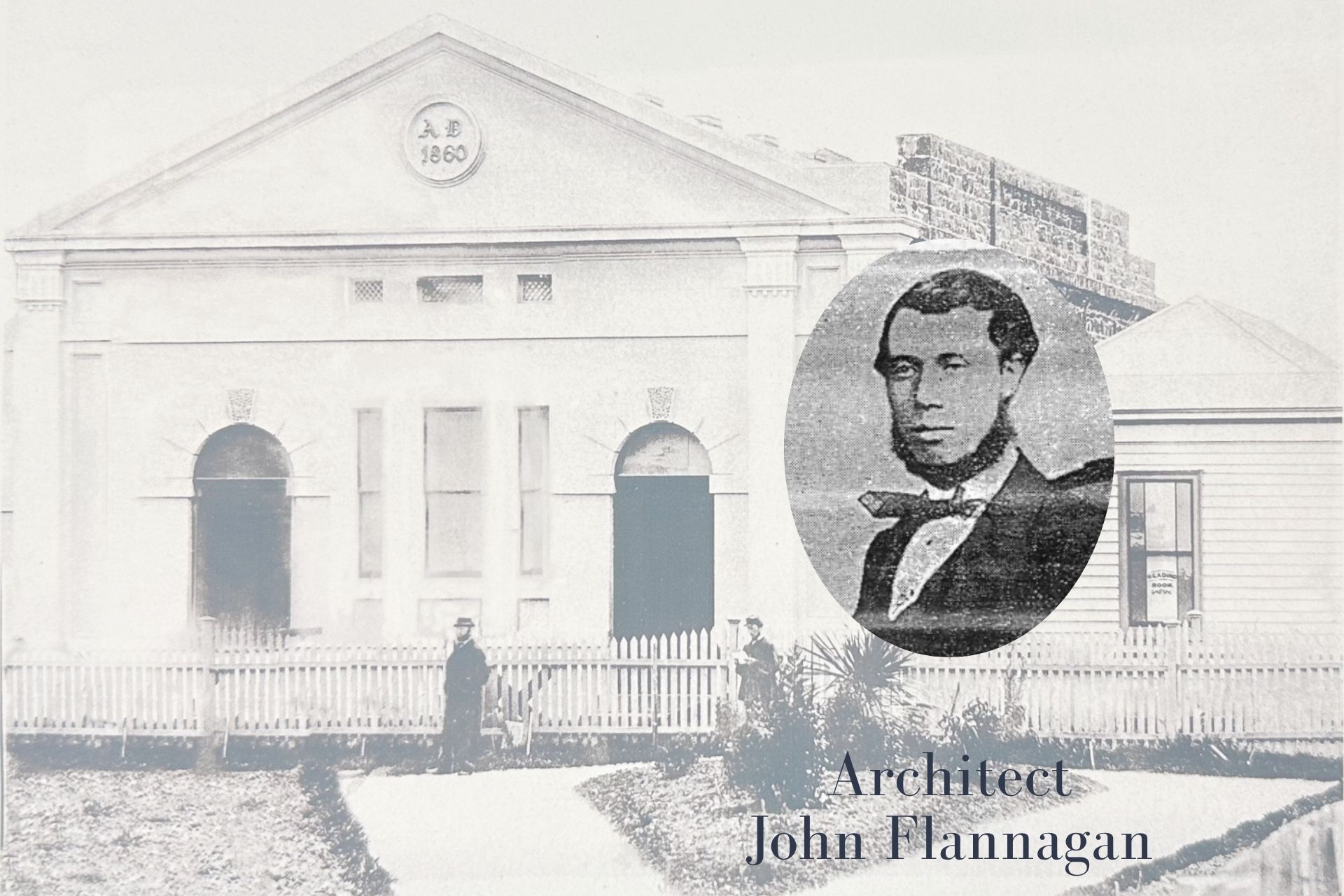
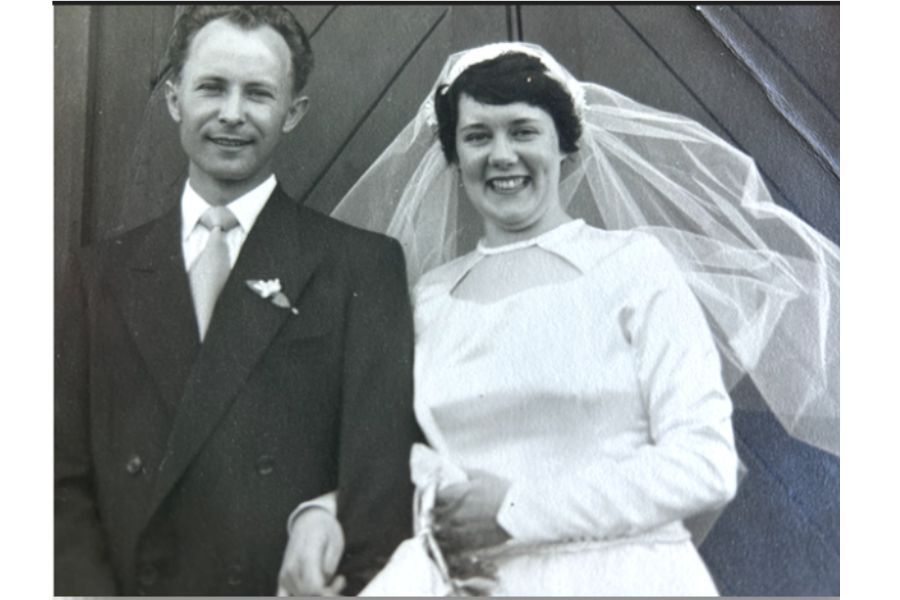
Architect: John Flannagan (1838-1882)
When we think of 19th century Melbourne architecture, names like Joseph Reed or John Beswicke often take centre stage. Yet scattered through the records are figures like John Flannagan, an architect and builder who played a role in shaping Melbourne’s early streetscape in the 1860’s. Though not as well remembered as some of his contemporaries, Flannagans story reflects the ambitions and challenges of the colony’s building boom.
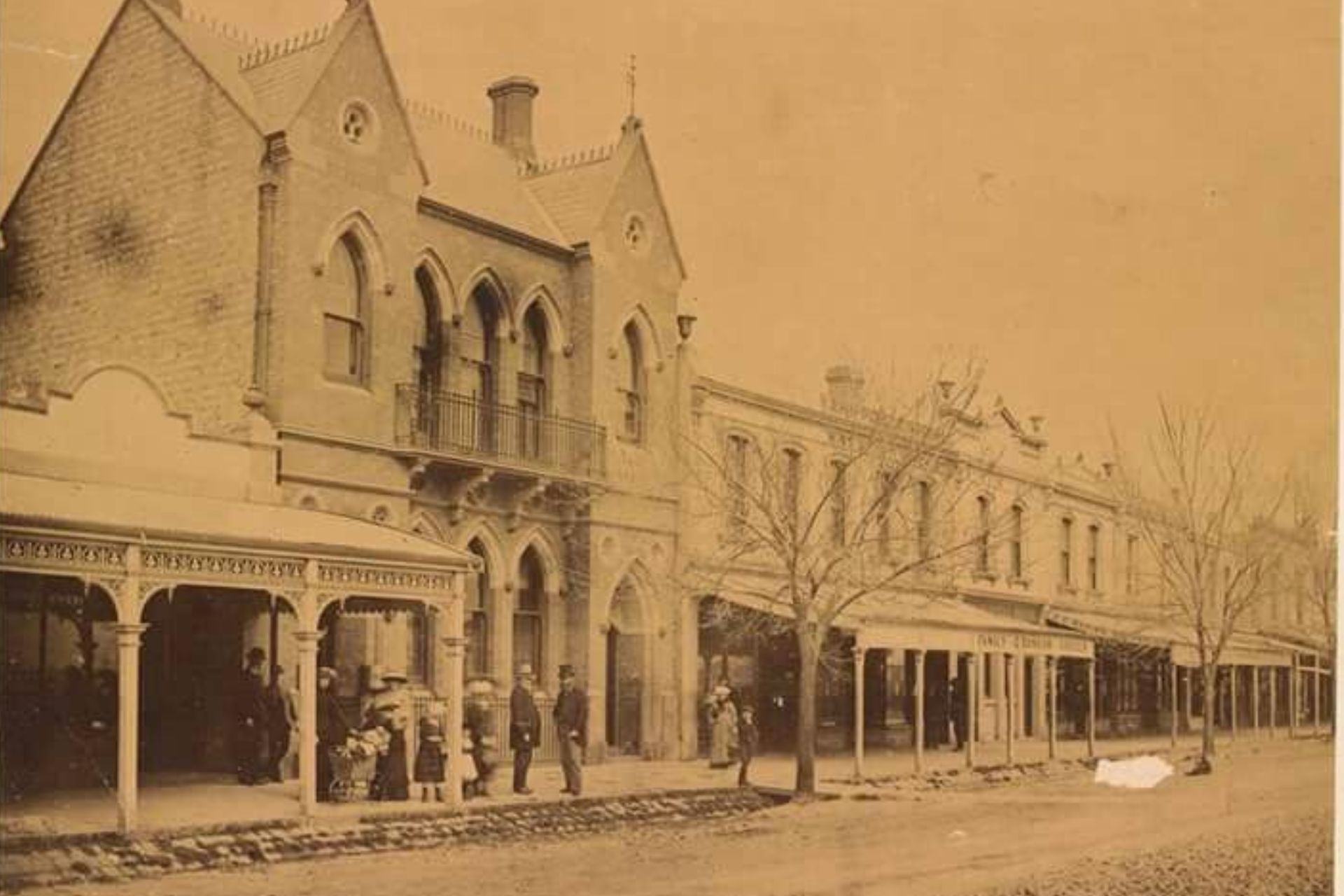
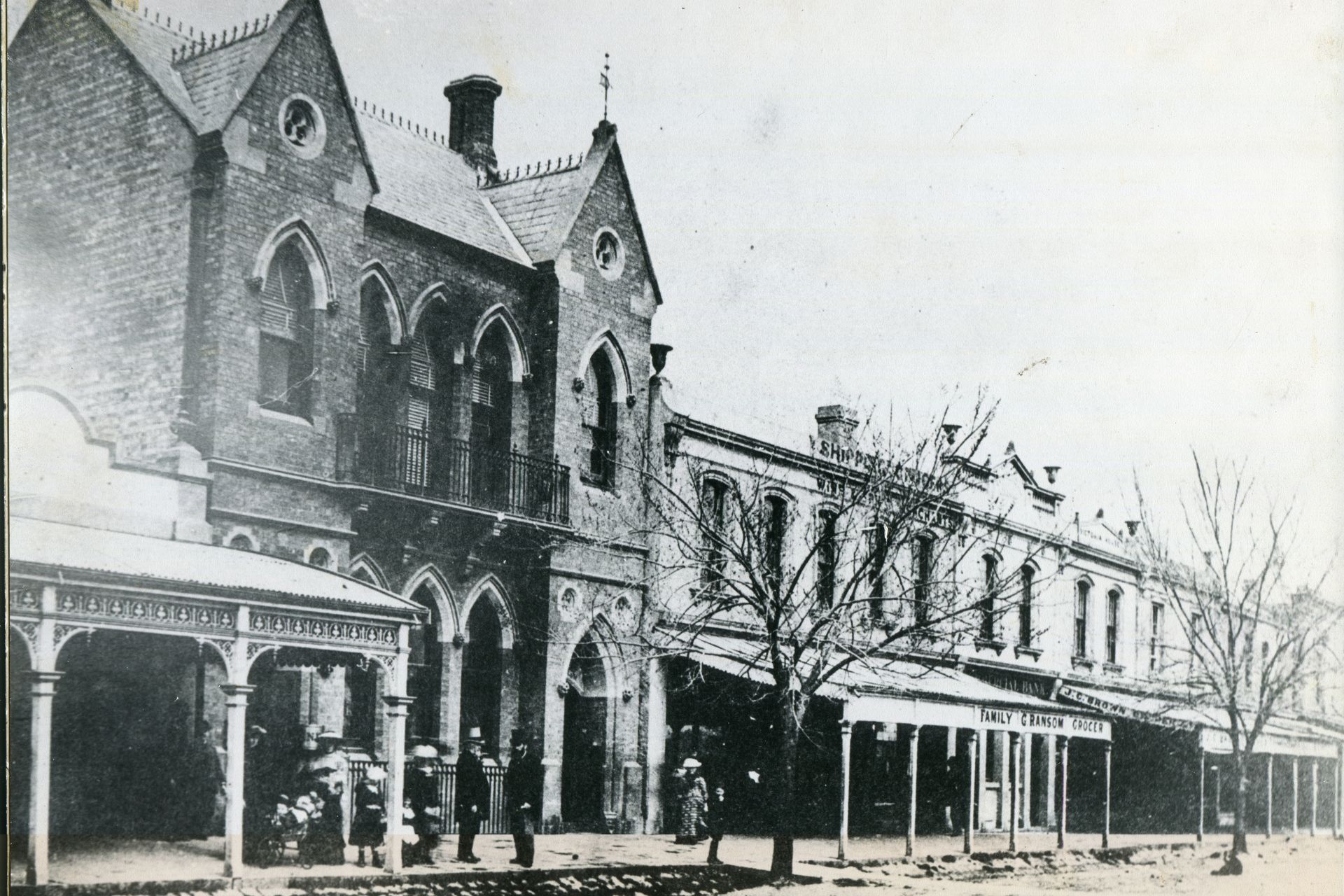
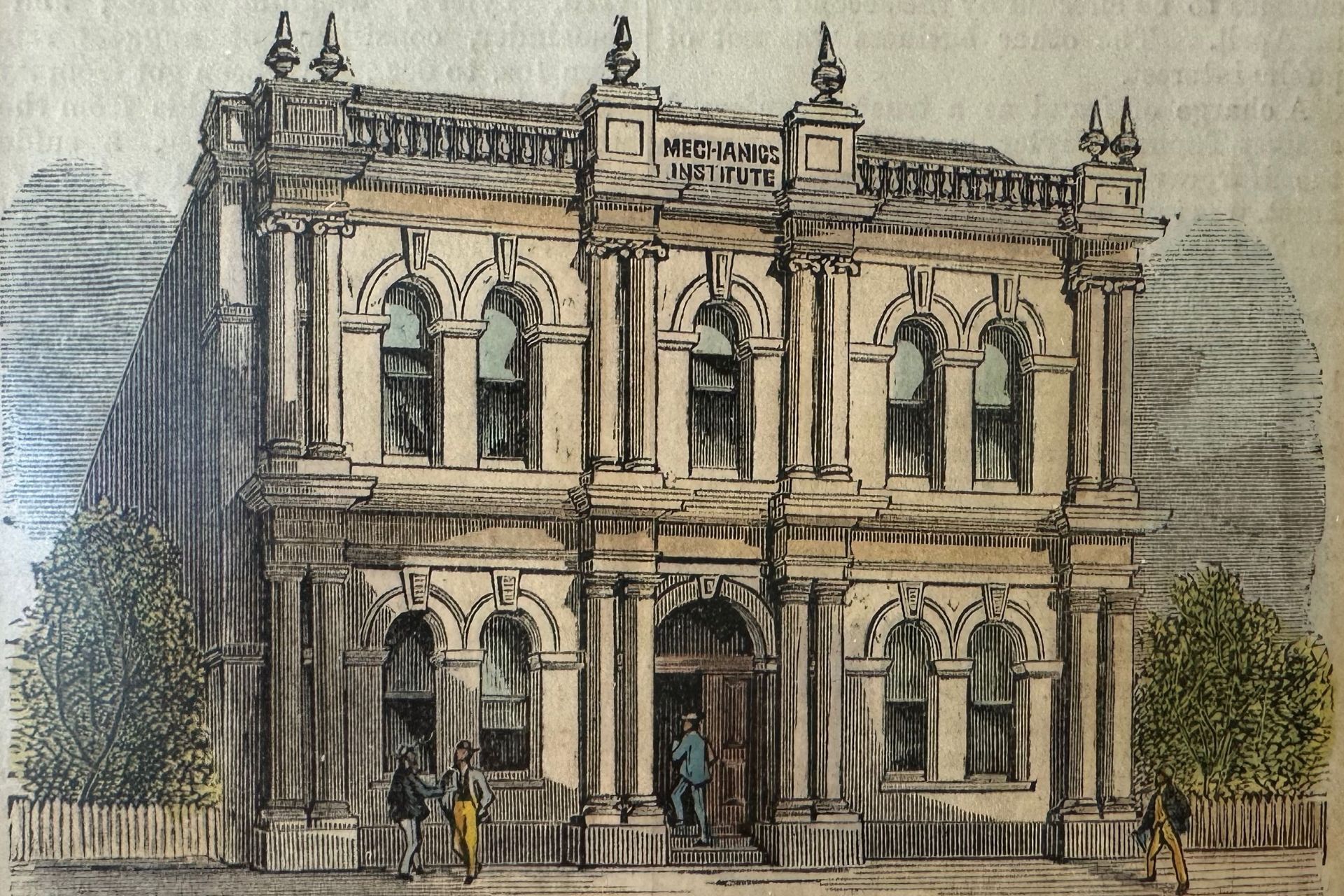
Williamstown Mechanics Insitute Building - Stage 1 - 1860
Mr John Flannagan of the Provident Institute Building, 35 Queens Street, Melbourne, is listed as the architect of the original Mechanics Institute buildings in Williamstown consisting of a large public hall, and timber library, class, committee, and reading rooms. The cost was estimated at £1,200.
Early life and family
John Flannagan was born in Manchester in 1838, the son of Patrick Flannagan and Eliza Sexton, the third of seven children. The family returned to Limerick, Ireland, after John was born. John attended school in Limerick, Ireland, where his interest in architecture grew. He was apprenticed to an architect named Fogarty, who held offices in Dublin and Limerick, Ireland.
The Flannagan family emigrated from Liverpool to Melbourne aboard the ‘Fulwood’, arriving in Melbourne in December 1854. John was listed as aged 13; however, he was likely 16 years old, given his listed birth date.
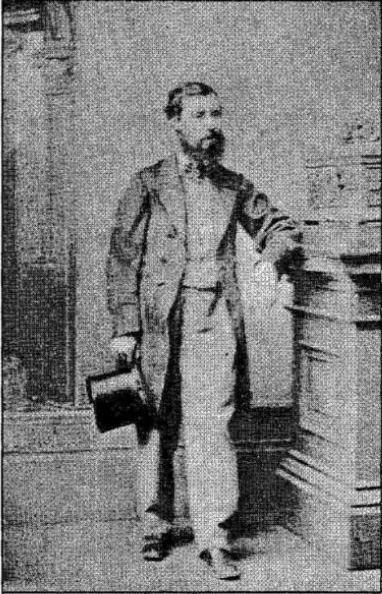
In 1862, Flannagan married Louisa Woolcott at Christ Church, South Yarra. They had six children, with their eldest, Leonard, born in 1864. Leonard was educated at St James Grammar School and would follow in his father’s footsteps, becoming a respected architect in the late 1890s, known for designing Melbourne Tramway buildings. During married life, they lived at 67 Erin Street, Richmond, in a house he designed.
Working life
John initially found work with Charles Laing, who is acknowledged as establishing the first architectural practice in Melbourne.
In 1858 Flannagan established his own practice as Architect and Surveyor, with offices listed at the Provident Institute Society Building, 35 Queens Street, Melbourne. John was successful in some architectural ‘competitions’, including:
- Church of England, Maryborough, 1859
- Mechanics Institute, Williamstown, c.1860
- Bank of Victoria (second prize- drawings below) ,1860
- Heathcote Courthouse and Shire Council Chambers,1862
- St Phillips Parsonage, Hoddle Street, Collingwood, 1865
- National Bank of Australasia (2nd prize)1867
- Eastern Market Buildings, Bourke Street, Melbourne, c.1871
- Princes Bridge Hotel (Young & Jackson’s Hotel), Swanston Street, Melbourne, c.1875
- Kilmore Hospital, Kilmore,1875
- Hotham (North Melbourne) Town Hall, 1875 (second prize)
- Royal Hotel Queenscliffe additions, 1882
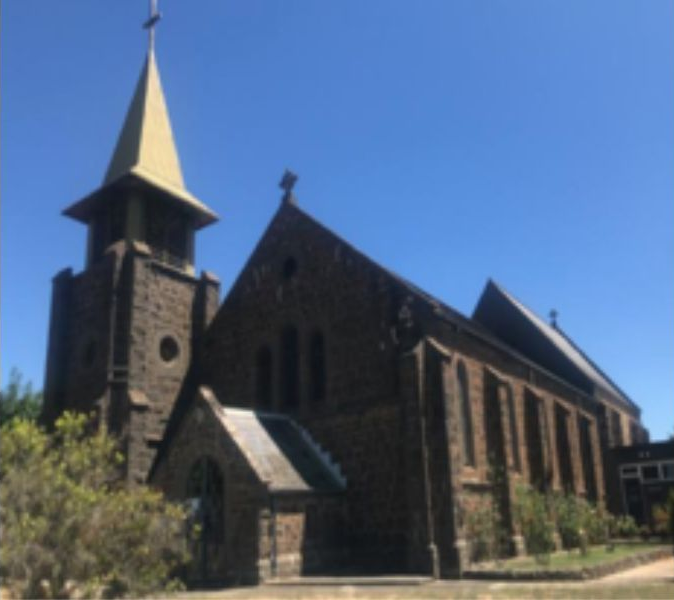
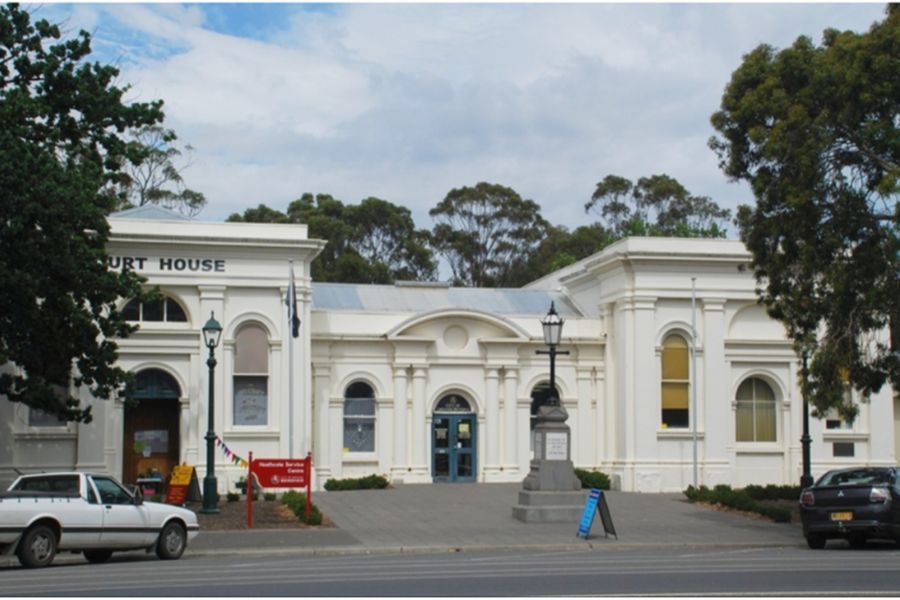
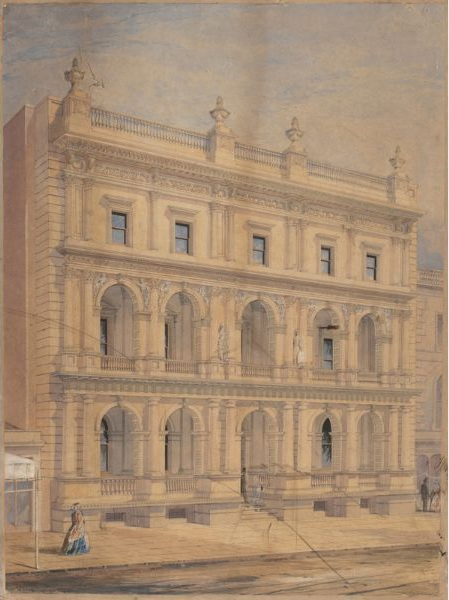
Flannagans buildings reflected the practical elerance of the 1860’s. He favoured symmetrical facades, simple classical details, and solid brick construction – hallmarks of a time when communities sought permanence and respectability. Unlike the grand theatres or ornate banks of central Melbourne, his work was often on a more modest civic scale, but no less important to the fabric of local life.
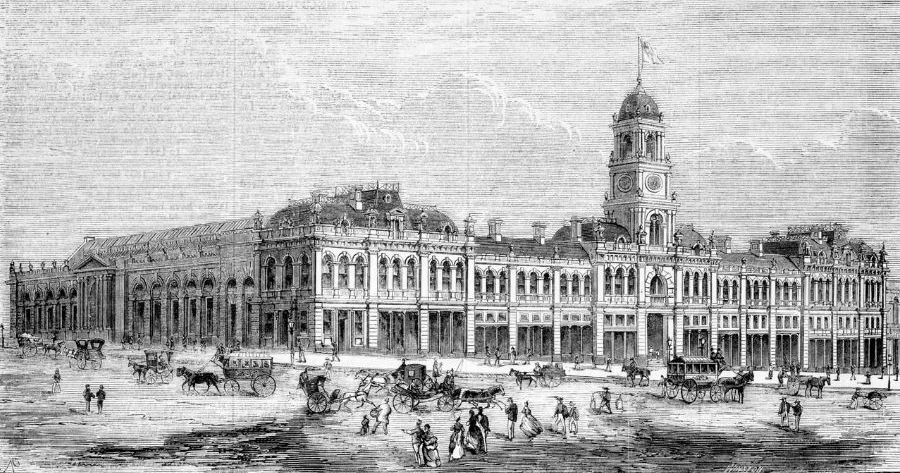
In 1871, John Flannagan was awarded first prize in the Melbourne City Council’s competition for the design of the Eastern Markets. Despite this achievement, the council did not proceed with the building. In 1873, the council announced a second competition, this time requesting that shops be included along the street frontage of the markets—a distinctive feature that Flannagan had already incorporated into his original prize-winning submission. The launch of this second competition sparked significant controversy, centring on allegations that certain architects had plagiarised Flannagan’s design. Heated debates arose within the architectural community, with the Victorian Institute of Architects and Flannagan himself choosing to boycott the competition in protest. Ultimately, the commission was awarded to Reed and Barnes. The fallout from these disputes was profound: the architects accused of fraud were stripped of their Victorian Architects Registration, and the scandal not only damaged individual reputations but also prompted reforms in the way architectural competitions were conducted in Melbourne. These events marked a turning point in the city’s architectural history, impacting both Flannagan’s career and the broader profession
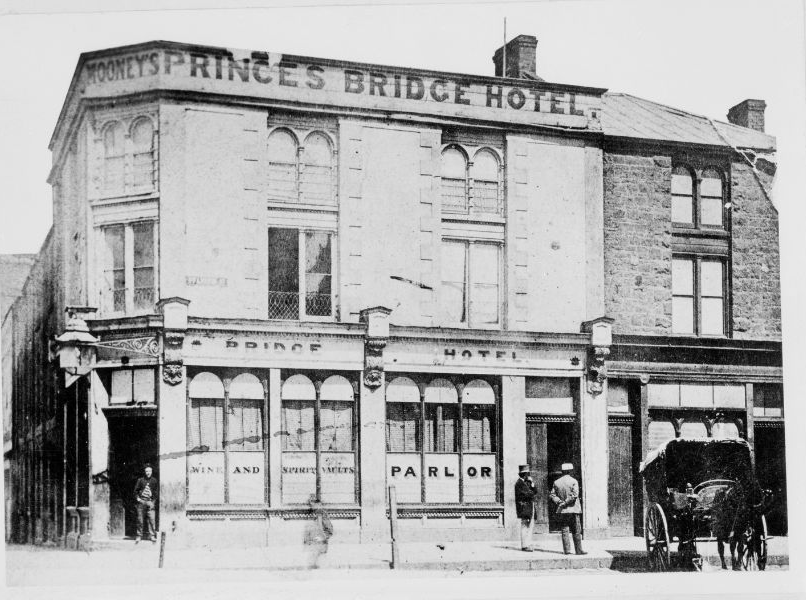
John Flannagan was listed as architect for renovations of the Princes Bridge Hotel (now called Young and Jackson’s) building in 1875, alongside builder Henry Wright.
Residential buildings
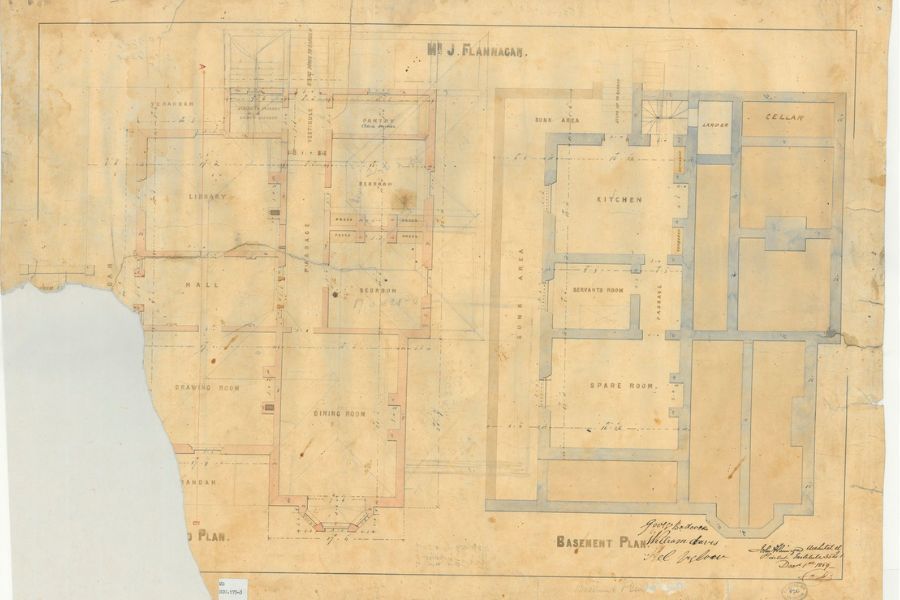
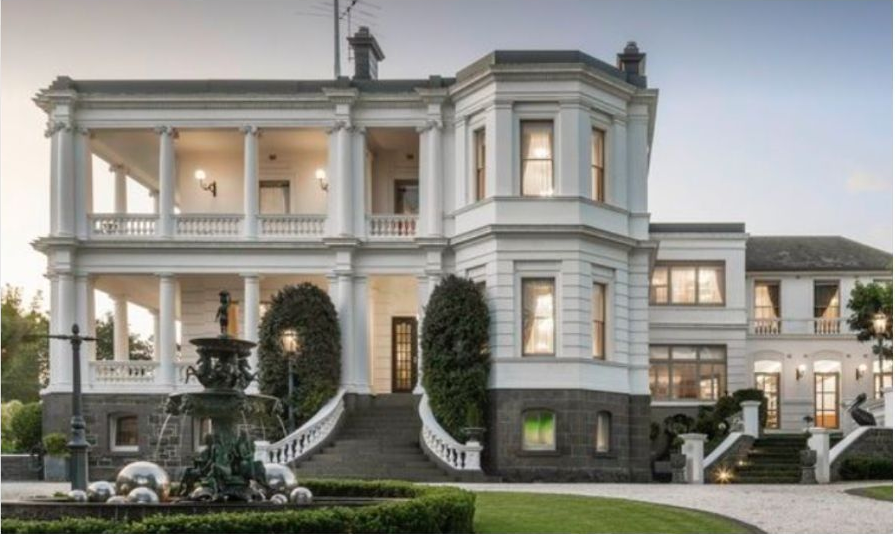
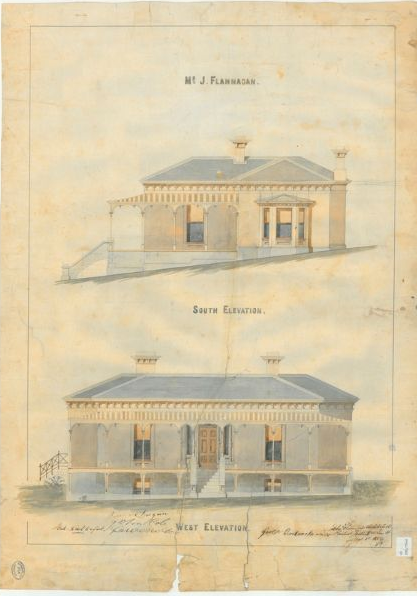
Flannagan is also recognised for designing notable residences such as ‘Mona’ (Studley Park, Kew, c.1859) and the landmark Shrublands Estate in Canterbury, c.1863. A substantial Italianate property built for Ernest Carter, a dentist, the Estate, initially on 60 acres, was surrounded by extensive gardens, vineyard and orchards. Carter, an early vigneron, produced Shrublands wines during the 1860s – 1870s when the area was a prominent wine-growing district. The property has undergone many additions in the late 1900s and again in the 1930’s however, the original two-storey structure and cellar remain. The magnificent house is currently on the market for upwards of $30 million.
The last plans Flannagan would envisage were additions to the Royal Hotel, Queenscliffe, in April 1882.
John Flannagan became ill and died on 16 September 1882, aged 46, at his home in Erin Street, Richmond.
Renowned for his attention to classical detail and the practical demands of public buildings, Flannagan’s architectural legacy endures in the city’s heritage. His career was shaped by the rapidly growing colony, where civic pride and the ambition to create enduring structures drove innovation. The Mechanics Institute Hall stands as a testament to this ideal, blending functionality with a dignified sense of place.
Flannagan’s practice was taken over by George Jobbins, with the business renamed to Flannagan and Jobbins however the partnership was dissolved in 1884. Johns son, Leonard also held a prominent architectural position in Melbourne for the following 50 years, including many prominent residential building and Melbourne Tramways Building.
Unlike prominent architects who left behind complete portfolios, Flannagan’s career survives mainly in fragments: newspaper tenders, scattered references to contracts, and occasional mentions in municipal records. This makes his a representative figure of a wider group of colonial architects and builders whose names have faded, even while their buildings – sometimes altered, sometimes demolished – once gave character to growing suburbs.
Researching figures like John Flannagan reminds us that architecture is rarely the product of a single ‘ great name’. It was shaped by many hands – some celebrated, others nearly forgotten – who contributed to the creation of streets, schools, and institutes that defined local identity. The Mechanics Institute he helped shape stood as living monuments to education, culture, and community pride.
Today, while Flannagan’s name may not be widely known, revisiting his life adds another layer to Melbourne’s architectural story – a reminder that heritage is as much about rediscovering the overlooked as it is about celebrating the famous.
If you would like to read more about the Wiliamstown Mechanics' Institute please
click here.
References:
- Australian Architectural Index, Miles Lewis. Record 6447. From Lloyd Taylor ‘Early and Later Melbourne Architects, Building, Eng. & Mining Journal, 5 May 1900
- Victorian Heritage Database: Young and Jacksons, Princes Bridge Hotel, https://vhd.heritagecouncil.vic.gov.au/places/810
- Shrublands, Victorian Heritage Database. https://vhd.heritagecouncil.vic.gov.au/places/12774/download-report
- Figure 1: Church of England (now Christ the King Church), Maryborough, Vic. Extend Heritage Pty. Ltd., Palmerston Street Precinct, Maryborough.
- Figure 2: Bank of Victoria (2nd Prize design), Melbourne, Exhttp://handle.slv.vic.gov.au/10381/116080
- Figure 3: Former Heathcote Court House and Shire Council Chambers, Heathcote VIC. VHD. https://vhd.heritagecouncil.vic.gov.au/places/5124
- Figure 4 - Eastern Market Building, Bourke Street, Melbourne, 4 Dec 1871 – SLV http://handle.slv.vic.gov.au/10381/252337
- Figure 5 - Princes Bridge Hotel (now Young and Jacksons), Swanston Street, Melbourne - http://handle.slv.vic.gov.au/10381/252160
- Figure 6 & 7 - ‘Mona’ Studley Park, Kew. http://handle.slv.vic.gov.au/10381/476769
- Figure 8 - Shrublands, Canterbury
- Additions to Royal Hotel Queenscliffe for William Leihy ESQ, John Flannagan, Architect & Surveyor, 6 April, 1882 – SLV - http://handle.slv.vic.gov.au/10381/476580
- Melbourne Tram Museum, Leonard Flannagan: municipal tramway architect, Noelle Jones, 2015
Our stories